November 24, 2026 · 8 min read
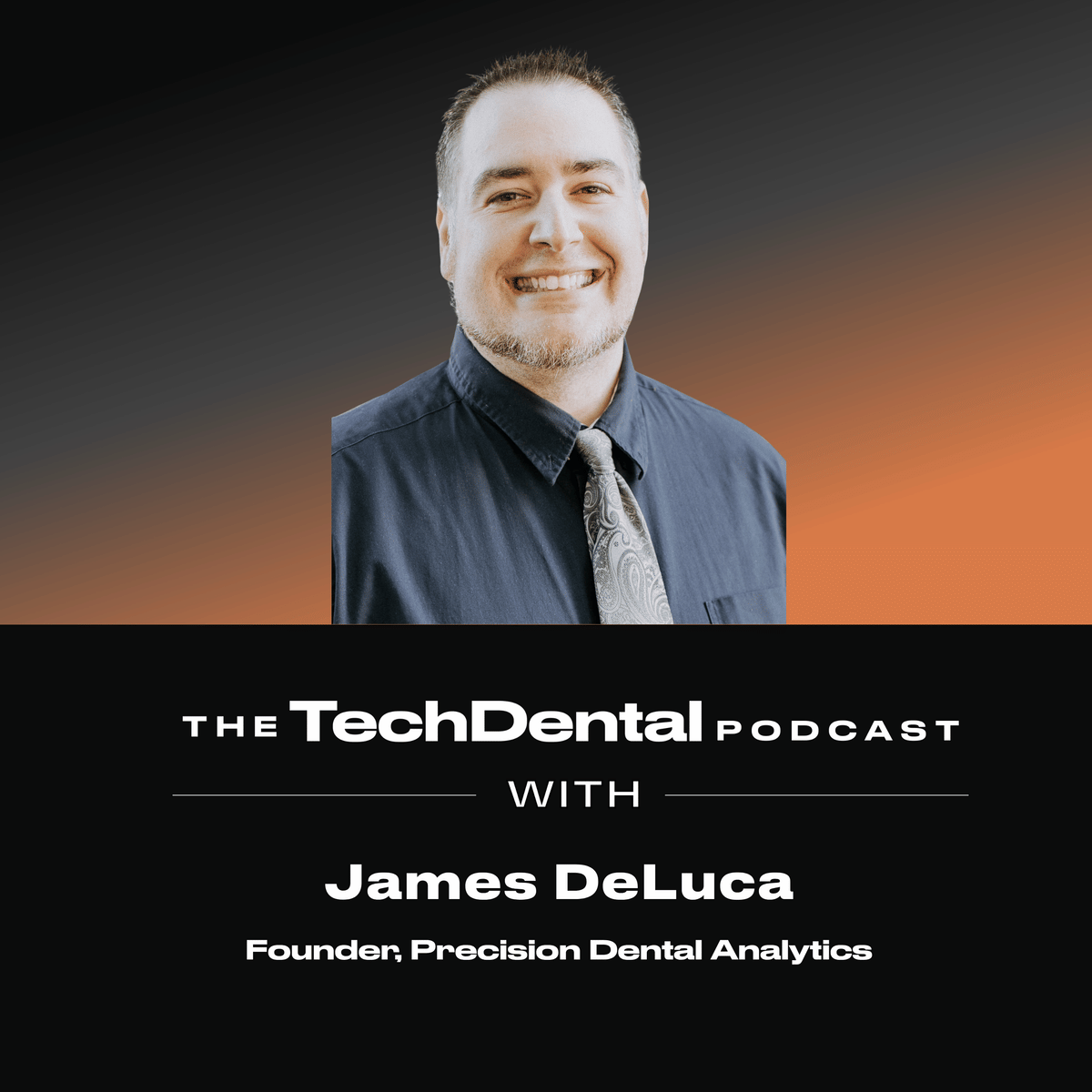
By James DeLuca, founder of Precision Dental Analytics. Written exclusively for TechDental.
Direct answer: AI tools sold to dental practices promise insight, but few of them audit the data they are fed. An AI system does not correct bad data. It launders it, turning flawed inputs into confident outputs that carry credibility the raw data never had. That matters more now because the April 2026 NHS contract reforms have made UK practice data standardised, comparable and auditable at a level that did not exist before. Buyers read legible data. What a buyer's diligence finds in your database cuts the price or rewrites the terms, and a practice that can prove it does not depend on its owner sells at roughly double the multiple. The fix is sequence: audit your inputs before you trust any output, and read your own data before a buyer does.
Editor's note: James has spent his career inside US dental consolidation, first in operations and then in buy-side diligence. Here he applies that lens to UK practices adopting AI. It is the fix-first argument seen from the other side of the table: fix the data before you automate, because someone else will read it either way. Dr. Randeep - TechDental
Every AI product being pitched to a dental practice right now makes the same promise: insight. Dashboards, diagnostics, predictive scheduling, revenue intelligence. Not one of them audits the data it's fed.
That matters, because an AI system doesn't correct bad data. It launders it. Feed a confident model an unaudited practice database, and it will return polished, articulate, decisive nonsense, what I call "garbage in, gospel out". The output inherits every flaw of the input and adds something dangerous the raw data never had: credibility.
"An AI system doesn't correct bad data. It launders it."
James DeLuca
The Database Always Tells the Truth
I spent my career on the other side of this problem. I helped build the operational playbook at a US dental group that scaled from 80 to 200+ locations, and I have forensically evaluated more than 500 practices using the exact lens institutional buyers deploy. What I learned is jurisdiction-agnostic: the practice database always tells the truth, eventually. The only question is who reads it first, the owner, or the buyer.
Which brings me to why I'm writing this for a UK audience now.
"The practice database always tells the truth, eventually. The only question is who reads it first, the owner, or the buyer."
James DeLuca
The Data Just Became Legible
From April 2026, NHS England's contract reforms quietly changed what a practice's data looks like from the outside. Income decomposes into separately tracked streams, core UDA activity on one line and the new mandatory urgent-care element (8.2% of contract value, remunerated at £75 per course of treatment) on another. Quality and monitoring requirements are layered on top. Accountants are already advising practices to understand the split between their NHS and private income, and how much of their NHS work is routine versus urgent or complex.
Most principals will experience this as an administrative burden. That's the wrong read. What actually happened is that practice data became standardised, meaning fully decomposable, comparable across practices, and therefore auditable at a granularity that didn't exist before.
And here is the rule I've watched play out across an entire consolidation cycle in the United States: when data becomes legible, buyers read it. Every improvement in data standardisation is, functionally, an upgrade to the buy side's microscope.
"When data becomes legible, buyers read it."
James DeLuca
Phantom EBITDA Crosses the Atlantic
In the US, we coined a term for what that microscope finds: Phantom EBITDA, earnings that are real on the P&L but not defensible enough to survive institutional scrutiny. Half of it comes off the number and cuts the price. The other half never touches the P&L and rewrites the terms instead: earnout conditions, holdbacks, and cash at close.
And before any UK reader files this under "American cautionary tale," look at the mechanics. Once exclusivity is signed, the seller's leverage ends at the moment the buyer's diligence begins. Whatever that diligence finds is negotiated with a seller who can no longer return to the market. That is not the failure mode of the US consolidation cycle. It is the design: diligence finds something, and the price or the terms move. The UK is importing the buyers, the capital, and the playbook. There is no version of that import that leaves the audit behind.
"Once exclusivity is signed, the seller's leverage ends at the moment the buyer's diligence begins. Whatever that diligence finds is negotiated with a seller who can no longer return to the market."
James DeLuca
The UK Version Is Already in Your Software
The UK version is already sitting in your practice management software. The mix and durability of NHS versus private income. UDA delivery patterns against contract value. Private plan conversion that looks like growth but behaves like churn. The principal personally produces most high-value dentistry while associates handle the routine book, known as "key-person risk", provable in a single query. And the quietest one: associate self-employment status. Since HMRC withdrew the automatic self-employment guidance for dental associates in 2023, status now rests on working-practice facts. These are the facts that live in your rota data, your fee splits, your software. A buyer's diligence team doesn't have to wonder, they'll look.
None of these are exotic. Each one is a finding I've watched cut six and seven figures from transactions, not because the buyer was aggressive, but because the seller had never read their own database the way the buyer would.
"The seller had never read their own database the way the buyer would."
James DeLuca
The Spread Is the Stakes
Christie & Co's Dental Market Review 2026 puts owner-operated practices at an average of around 3.5× EBITDA, against around 7× for associate-led practices, across deals in 2025 and H1 2026. The multiple matters because of what it is applied to. Goodwill is valued on normalised EBITDA times that multiple, and NASDAL's latest goodwill survey recorded goodwill at 109% of gross fees overall in the quarter to 30 April 2026.
Read those numbers together and the conclusion is uncomfortable: the multiple is roughly double for a practice that can prove it does not depend on its owner. That proof lives in the data. A practice whose data shows that independence sells at the higher multiple. A practice whose data can't show it sells at the lower one, or gives the difference back through diligence, one finding at a time. Corporates and groups of three or more practices made half of all offers in H1 2026, up from 23% in 2025, so more sellers are about to be asked for that proof.
"The multiple is roughly double for a practice that can prove it does not depend on its owner. That proof lives in the data."
James DeLuca
Your Outputs Are Only as Good as Your Inputs
Now connect the two halves of this article.
The practice owner adopting AI analytics on an unaudited database is automating their blind spots, a dashboard confidently reporting a 94% case acceptance rate without knowing the average case presented was too small to mean anything and completely blind to treatment trajectory. Meanwhile, the buy side is pointing its own increasingly AI-assisted diligence at your newly standardised data. Their inputs just got better. Did yours?
That's the asymmetry that will decide UK deals over the next cycle: both sides of the table now run analytical machinery, but only one side audits the fuel.
"Both sides of the table now run analytical machinery, but only one side audits the fuel."
James DeLuca
Who Reads Your Data First?
The answer isn't less technology. It's sequenced technology: audit the inputs before you trust the outputs. Reconcile the clinical record to the billing record. Benchmark your own utilisation patterns before someone else's model does. Know what your database says about associate status, provider dependency, and income durability. It says something, whether you've read it or not.
Your practice data will be interrogated by an algorithm eventually. The only decision you control is whether it happens years before your exit, on your behalf or during the one transaction of your life, on theirs.
Key Takeaways
AI amplifies whatever it is fed. An AI tool running on an unaudited practice database does not fix its flaws. It presents them with confidence, which makes them more dangerous.
The 2026 NHS contract made practice data legible. Separately tracked income streams mean UK practice data is now comparable and auditable at a level buyers can use.
Diligence findings move the price or the terms. Phantom EBITDA either comes off the number or reappears as earnouts, holdbacks and less cash at close, and after exclusivity the seller has little leverage.
The common findings already sit in your software. Income mix, UDA delivery, plan churn, key-person risk and associate status can each be read from data you hold today.
Owner independence is worth roughly double the multiple. Christie & Co's figures put owner-operated practices at around 3.5× EBITDA against around 7× for associate-led practices, and the proof of independence lives in the data.
Audit before you automate. Reconcile clinical and billing records and benchmark your own patterns before a buyer's model does.
About the Author
James DeLuca is the founder of Precision Dental Analytics. He held regional leadership at North American Dental Group as it scaled from 80 to more than 200 locations, and has forensically evaluated more than 500 practices using the lens institutional buyers apply.
LinkedIn · Precision Dental Analytics
James DeLuca is the founder of Precision Dental Analytics and the author of Phantom EBITDA. Views are the author's own.
About TechDental
TechDental is a podcast and publication on AI governance and policy in dentistry, hosted by Dr Randeep Gill, dentist and AI founder. It brings together the people shaping how dentistry adopts AI. We explore the questions that decide whether AI can be trusted in practice: who is accountable, what the rules require, how it is monitored once live, and where it actually pays back.
Guest articles and enquiries: info@techdental.com
Keynotes, workshops and advisory: drrandeepgill.com
This article is for information only and is not financial, tax or legal advice.